Abstract
Measles infections are on the rise with 2025 representing the worst year for measles cases in the United States (US) for over 30 years, jeopardizing measles elimination status in the US. The current predicament is a manifestation of declining measles vaccination rates, despite the measles vaccine being recognized as one of the most important and most effective modern childhood vaccines. According to US Centers for Disease Control and Prevention (CDC) data, in the decade prior to availability of a measles vaccine, the US recorded an average of 549,000 measles cases and 495 measles-related deaths per year. As a result of vaccination in the US, an entire generation of US physicians have been fortunate enough to practice in the postelimination era in which measles encounters are rare. However, the US now finds itself at an inflection point. If the current trend continues, the US could be on course for a sustained rise in annual cases and experience a return to endemic status. Prompt diagnosis and the provision of appropriate postexposure prophylaxis are crucial to minimizing measles-related complications and death. In anticipation of measles encounters becoming more common, the intention of this article is to provide readers with a comprehensive review of current guidelines regarding measles vaccination, treatment, and outbreak management. Further, a discussion of measles epidemiology is included to facilitate a better understanding of what factors contributed to recent outbreak years and the implications of current events on the future of measles incidence.
Corresponding Author(s)
Jacob Thaddeus, OMS-III, [email protected]
The authors have no relevant financial relationships or conflicts of interest to disclose.
Read the article
INTRODUCTION
Measles Virus
Measles (rubeola), is a viral illness caused by a single-stranded, negative-sense RNA virus of the Morbillivirus genus within the paramyxovirus family.1 Its six structural proteins include two surface glycoproteins that are key virulence factors: hemagglutinin (H), which facilitates respiratory host cell attachment, and fusion (F), which promotes viral fusion and intercellular spread.1,2
Notably, the virus binds to the CD150 receptor on memory T and B lymphocytes, depleting host antibodies against common bacteria and viruses.2 This ability induces “immune amnesia” in the host, increasing susceptibility to secondary infection for up to 2 to 3 years.2
Despite the typically high mutation rates of RNA viruses, measles is antigenically monotypic; its surface proteins have not shown significant variation over time.2,3 The lack of genetic change means that inoculation, whether by infection or immunization, leads to presumed lifelong immunity.3
Of the 24 recognized genotypes, 18 have not been detected in at least ten years.4 Among the six genotypes considered active, only two (B3 and D8) were identified in global measles cases during 2021.4
Transmission
Infection begins in alveolar macrophages and dendritic cells of the respiratory tract.1 After replication, virions are transferred to the lung epithelium and shed via respiratory droplets.5 Measles virus is capable of aerosol spread, allowing for transmission in closed spaces for 2 hours.1
Following exposure, the incubation period is 11 to 12 days.1 A person is considered infectious from 4 days prior to rash onset until four days after rash disappearance.1
Measles is highly contagious. R naught (R0), an indicator of transmissibility, is approximately 12 to 18, meaning that an infected person is likely to infect 12 to 18 other people.6 For comparison, the estimated R0 of the original COVID-19 Alpha-variant was 1.22.7,8 Further, with a secondary attack rate of 90%, infection is nearly guaranteed among susceptible populations following exposure.1,9
Presentation
Prodromal symptoms appear 11 to 12 days after exposure and include stepwise fever peaking at 103 to 105°F (39 to 40.5°C), cough, coryza, and conjunctivitis (Figure 1).1 Koplik spots refer to blue-white lesions on a red background seen on the buccal mucosa (Figure 2); these spots appear 1 to 2 days prior to onset of the measles rash and are considered unique to measles infection.1
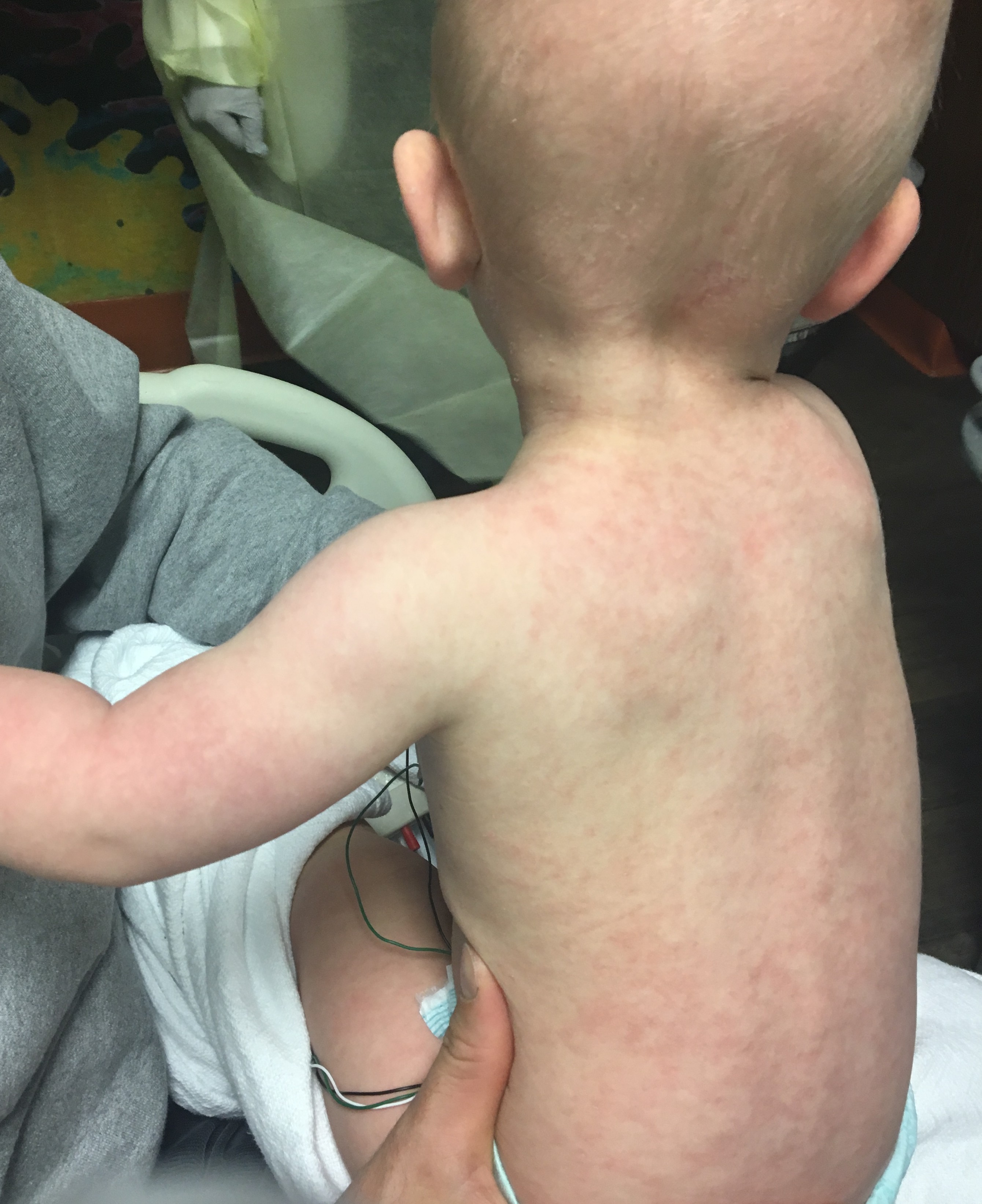
Measles rash is erythematous and maculopapular.1 Classically, the rash appears at the hairline (Figure 3) then progresses caudally to the face and neck before eventually reaching the trunk (Figure 4), hands and feet.1 The rash typically lasts 5 to 6 days.1
FIGURE 1: Coryza and conjunctivitis seen in an 11-month-old male with confirmed measles infection. The image was taken in 2018 by one of the authors of this article.
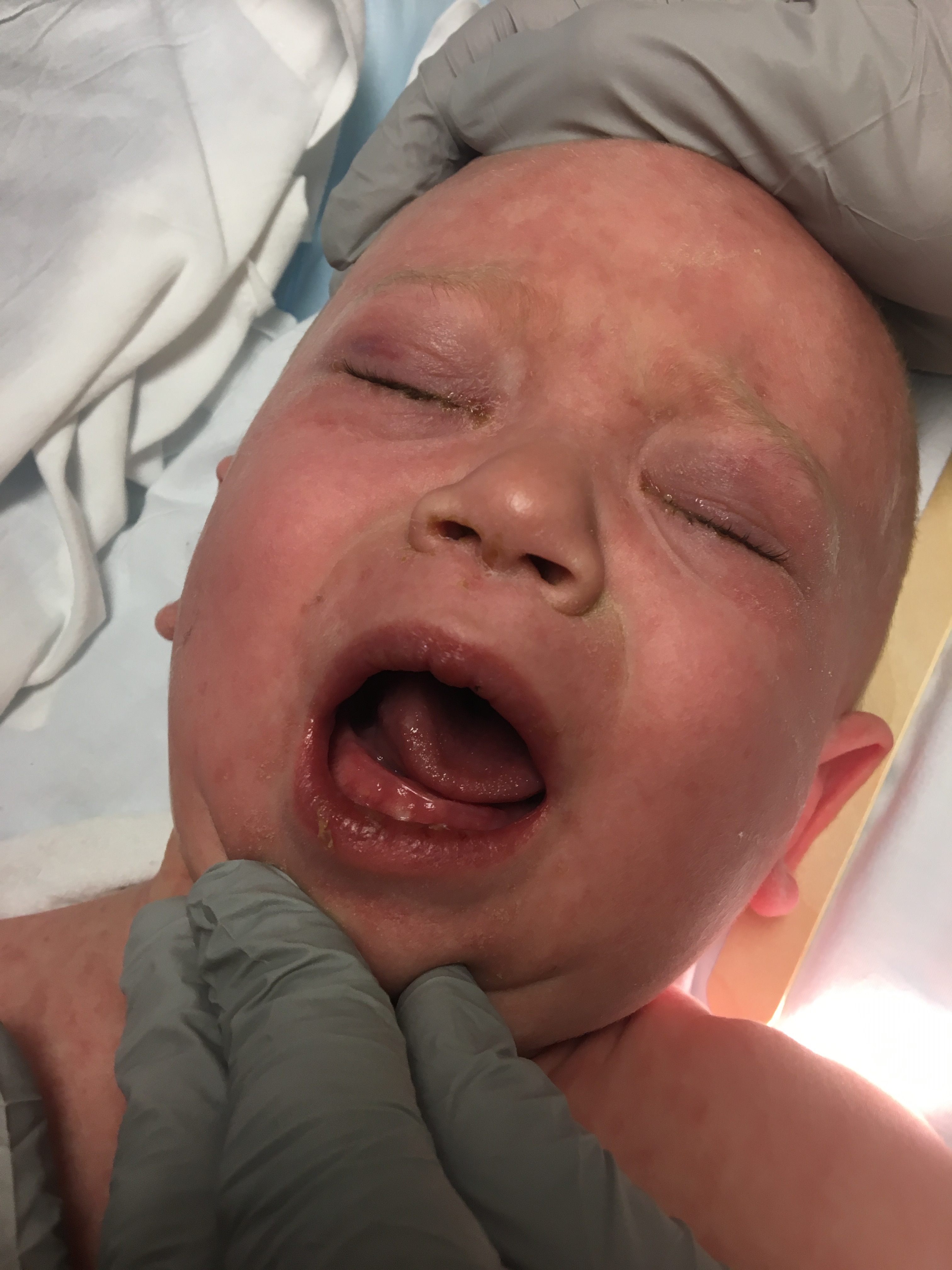
FIGURE 2: Bluish-white oral lesions on a red buccal mucosa (Koplik spots) seen in child with measles. This image was originally taken in 1953 and is published in the CDC Public Health Image Library (PHIL).
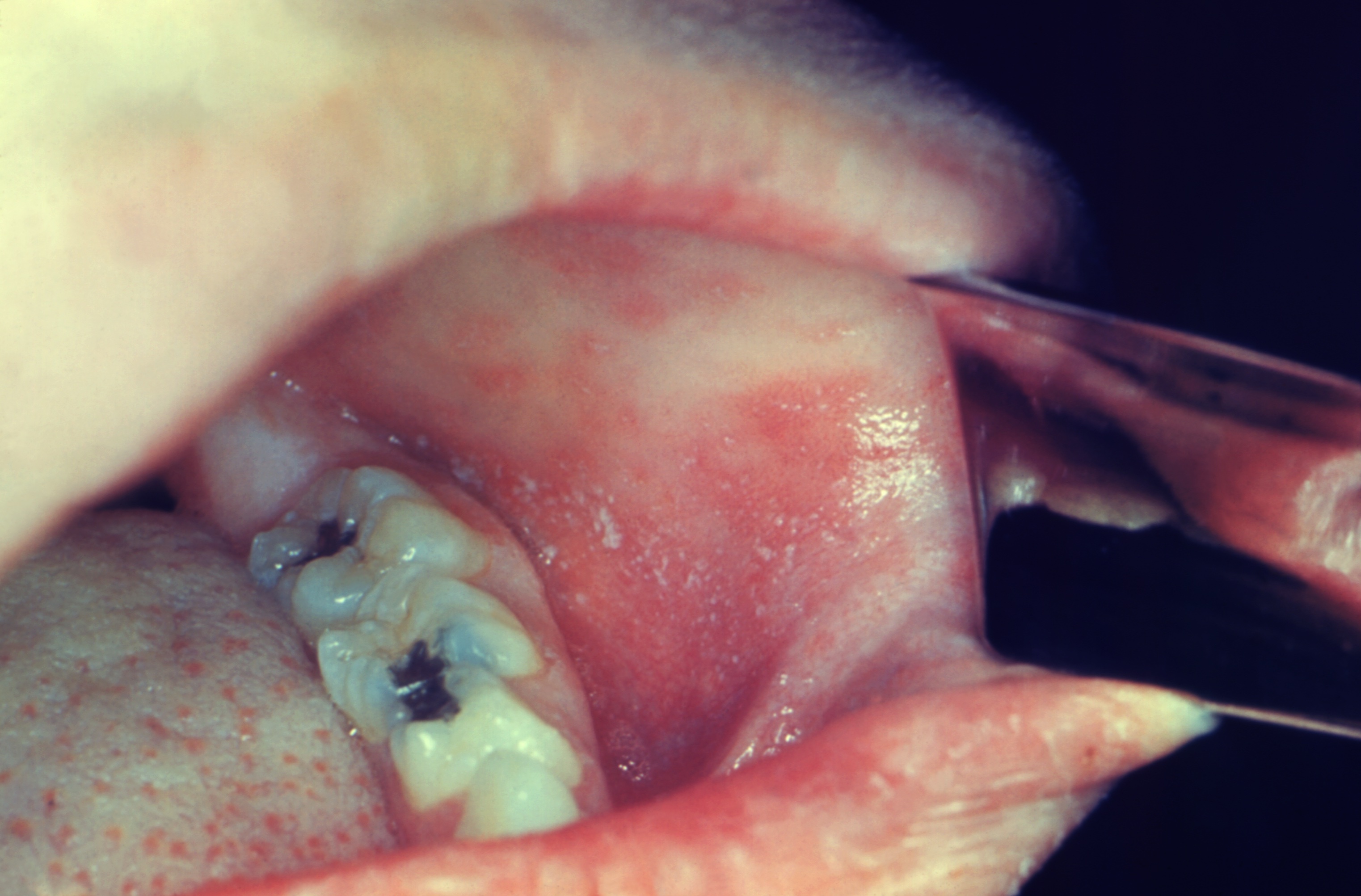
FIGURE 3: Measles rash seen beginning at the hairline of 11-month-old male with confirmed measles infection. The image was taken in 2018 by one of the authors of this article.
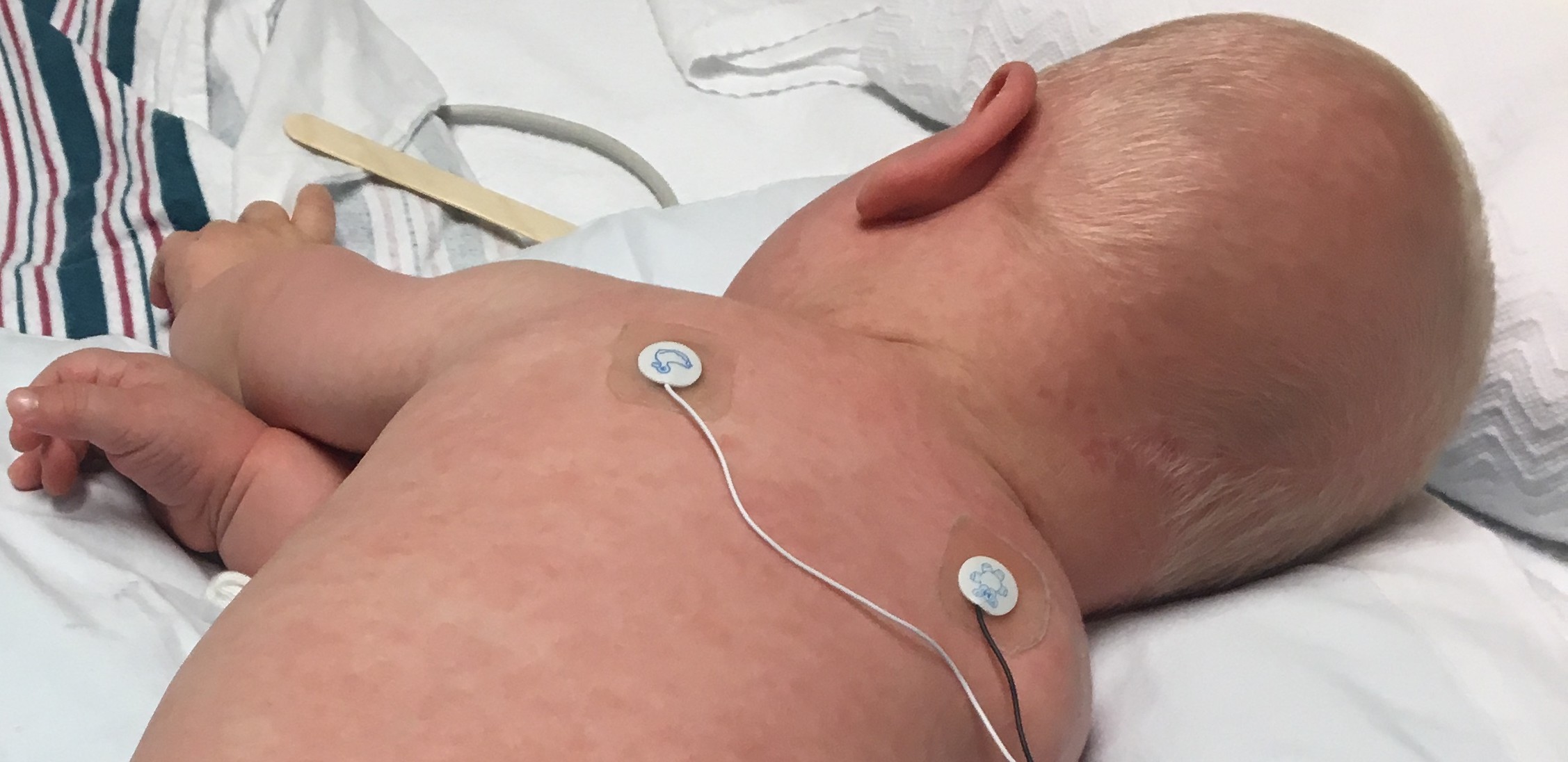
FIGURE 4: Measles rash shown extending along the trunk of 11-month-old male with confirmed measles infection. The rash can also be seen just above scalp line. The image was taken in 2018 by one of the authors of this article.
Diagnosis
Active infection is indicated by measles-specific IgM antibodies detected on ELISA.1,10 Detection of viral RNA on RT-PCR can support the diagnosis when serology is inconclusive.1,9,10 A combination of serologic testing and RT-PCR should be ordered for all suspected measles cases to maximize testing specificity and sensitivity.10
Complications
Otitis media and diarrhea represent the most common complications, each occurring in approximately 10% of measles cases.11 Measles has the potential to cause profound, irreversible, bilateral sensorineural hearing loss.12,13 Prior to widespread vaccination, measles had been a major cause of profound hearing loss in the United States, accounting for 5% to 10% of cases.12
Immunosuppression resulting from “immune amnesia” increases susceptibility to secondary infection, most notably pneumonia, which occurs at a rate of one per 20 measles cases in children and represents the primary cause of measles related death.5,11,14
Central nervous system (CNS) complications are uncommon but consequential. Measles associated neurologic manifestations include Primary Measles Encephalitis (PME), Acute Postinfectious Measles Encephalomyelitis (APME), Measles Inclusion Body Encephalitis (MIBE), and Subacute Sclerosing Panencephalitis (SSPE). CNS complications are described in Table 1.
Overall, 20% of US measles cases require hospitalization.11 Measles related deaths are predominantly the result of respiratory and neurologic complications and occur at a rate of 1 to 3 per 1000 reported cases.10,11
Table 1: Measles related neurological complications including incidence, symptomology, associations, and additional related information.11,15-18
| Neurologic Complications | Incidence | Onset | Symptoms | Associations | Additional Information |
|---|---|---|---|---|---|
| Primary Measles Encephalitis (PME) | 1:1000 | During the primary infection | Fever, headache, altered mental status, and seizures. | Active measles infection | In 30-40% of cases, PME is fatal or causes permanent neurologic damage through elevated intracranial pressure. |
| Acute Postinfectious Measles Encephalomyelitis (APME) | 1:1000 | Weeks to months after infection | Altered mental status, ataxia, motor and sensory deficits, bowel and bladder incontinence. | Recent history of measles infection. | AMPE is considered a post infectious autoimmune response causing demyelination. Mortality is estimated to be ~20%. |
| Measles Inclusion Body Encephalitis (MIBE) | 1:1000 | 1 to 6 months after infection | Altered mental status and refractory seizures | Immunocompromised children, especially those with lymphoblastic leukemia. | MIBE carries a mortality rate of approximately 75% and survivors are frequently left with permanent neurologic dysfunction. |
| Subacute Sclerosing Panencephalitis (SSPE) | 4 to 11:100,000 | 7 to 10 years after infection | Onset marked by gradual behavioral changes (irritability, inattentiveness, declining academic performance). Within weeks to months, patients develop neurological symptoms such as ataxia, dyskinesias, and medically refractory seizures. | Measles infection early in life, particularly before 5 years of age. | SSPE is not caused by an active (or reactivated) measles infection, patients will not show infectious measles titers. Diagnosis is confirmed by high concentration of anti-measles antibodies on serum or CSF analysis. Unfortunately, no treatment exists and SSPE is fatal in 100% of cases. |
MEASLES VACCINE
History
During the decade prior to vaccine availability in 1963, the US reported an average of 549,000 measles cases and 495 measles-related deaths each year.7 Childhood measles infections were so common that, even today, persons born before 1957 are assumed to possess immunity from prior infection.7
Initially, a single dose was recommended for all children, stimulating a profound decrease in US measles cases. However, outbreaks were still common, even in children with prior measles vaccination.7 This prompted revisions in 1989, with eventual consensus that children should receive a second dose, promoting renewed decline in measles incidence.7
In the year 2000, measles was declared eliminated from the US, meaning that for 12 months cases were the result of isolated outbreaks rather than continuous spreading.7 Since achieving elimination status, US measles cases have overwhelmingly been the result of importation by unvaccinated US residents. Importation involves travelling internationally to endemic regions, then developing infection soon after returning home.7 Table 1 summarizes CDC epidemiologic data regarding measles cases and importations.
At the time of this article, the US has maintained elimination status but is experiencing the most annual measles cases since 1992, jeopardizing this status.11
Table 2: Summarized data from the CDC regarding source of measles outbreaks since gaining elimination status in 2000. Data is grouped by years 2000-2019 and 2020-2023.10,20
| 2001-2019 | 2020 | 2021 | 2022 | 2023 | |||||||
| Cases | Percentage | Cases | Percentage | Cases | Percentage | Cases | Percentage | Cases | Percentage | ||
| International importationa | 747 | 19% | 7 | 54% | 21 | 43% | 23 | 19% | 23 | 40% | |
| US-acquired cases linked to importations | Epidemiologic linkb | 2,275 | 59% | 4 | 31% | 18 | 37% | 11 | 9% | 19 | 33% |
| Virological linkc | 693 | 18% | 1 | 8% | 9 | 18% | 87 | 72% | 11 | 19% | |
| US-acquired cases with unknown sourced | 158 | 4% | 1 | 8% | 1 | 2% | 0 | - | 5 | 9% | |
| TOTAL | 3,873 | 13 | 49 | 121 | 58 | ||||||
a Any case resulting from exposure to measles virus outside of the United States, as evidenced by at least some of the exposure period (7–21 days before rash onset) occurring outside of the United States and rash onset occurring within 21 days of entering the United States without known exposure to measles in the United States within that time.
b A case in a chain of transmission which can be epidemiologically linked to an internationally imported case.
c A case in which an epidemiologic link to an internationally imported case was not identified, but for which viral genetic evidence confirms an imported measles genotype. An imported measles genotype refers to any genotype not occurring within the United States in a pattern indicative of endemic transmission.
d A case in which neither epidemiological or virological link to importation or to endemic transmission within the United States can be established.
MMR vs MMRV
Adequate immunization requires two lifetime doses of a measles-containing vaccine.1 This recommendation is based on evidence showing >99% of children develop serologic evidence of immunity after two doses compared to just 95% after a single dose at 12 months of age.1,21
Currently two combination vaccines exist: MMR (measles, mumps, rubella) and MMRV (which adds varicella coverage). Both vaccines are lyophilized, reconstituted using sterile water, and contain gelatin and neomycin.1 Neither contains adjuvants or preservatives.1
Both MMR and MMRV vaccines are associated with a risk of febrile seizures.22 Because MMRV carries a higher risk of febrile seizures in children ages 12 to 23 months (1:1,250 vs 1:2,500 for separate MMR and varicella vaccines), separate vaccines are recommended for the first dose.22 MMRV is the preferred vaccine for the second dose given at 4 to 6 years of age, as the risk of febrile seizures has not been observed in children 4 to 6 years old.21,22
It is important to contextualize these risks, as approximately 2% to 5% of otherwise healthy children will have a febrile seizure in childhood. In either case, whether attributed to a vaccine or an idiopathic nature, these seizures are not associated with long-term sequelae.22
Vaccination Recommendations
The standard childhood series includes an initial dose recommended at 12 to 15 months and a subsequent dose at 4 to 6 years of age.1 If necessary, a second MMR vaccine can be given 28 days after an initial dose; MMRV requires a 3-month interval between doses.1
Adults born during or after 1957 without prior vaccination or evidence of immunity should receive at least one dose of MMR vaccine.10 However, two doses of MMR are recommended for adult populations considered high risk for measles exposure (international travelers, healthcare personnel, students enrolled in higher education programs).10
Patients born before 1957 are considered to have presumptive immunity, with the exception of healthcare personnel.10 Healthcare facilities should require all healthcare personnel born prior to 1957 to provide laboratory evidence of measles immunity or laboratory confirmation of disease and require two doses of MMR in persons lacking immunity.10,21
For international travel, two doses of MMR are recommended for all adults and children age >12 months old.1 Infants age 6 to 11 months old should receive one MMR dose prior to traveling out of the country, however, this dose will not count toward the standard measles vaccine schedule.10,21
Postexposure Prophylaxis and Outbreak Management
Prompt diagnosis and the provision of postexposure prophylaxis (PEP) are important to minimizing measles related complications and death.
Specific recommendations for PEP depend on factors such as age, prior immunization, and duration of time since the exposure. Table 3 summarizes current CDC guidelines for measles PEP. These recommendations were determined in conjunction with the Advisory Committee on Immunization Practices (ACIP).
Options for PEP include the MMR vaccine and immunoglobulin (Ig), both of which are proven to modify disease course and reduce the risk of transmission and complications in susceptible individuals.10,21 In eligible patients, the MMR vaccine is preferred over Ig PEP, but it has only demonstrated benefit when provided within 72 hours of an exposure.10 With the exception of healthcare personnel, individuals who receive PEP within 72 hours of measles exposure are considered safe to return to childcare, school, or work.10
Of note, vaccination is recommended in all patients to offer protection against future exposures. However, following Ig PEP, MMR should be delayed by 6 months after intramuscular immunoglobulin (IMIG) or eight months after intravenous immunoglobulin (IVIG).10
Hospitalized patients should be placed in an airborne infection isolation room (AIIR) until 4 days following rash onset, or for the duration of illness if immunocompromised.10,21 If negative pressure isolation rooms are unavailable, a single room with the door closed may be used temporarily while coordinating a transfer to an available AIIR.10
For healthcare personnel with presumptive measles immunity, neither PEP nor work restrictions are necessary, though symptom tracking is recommended for 21 days after exposure.10,21
Table 3: CDC recommendations for quarantine and PEP based on age and time since initial exposure.10,17,21
| Demographic | Age Range | Measles Immune Status | Recommendations Based on Time Since Exposure | ||
|---|---|---|---|---|---|
| ≤ 3 days (72 hours) | 4 to 6 days | >6 days | |||
| Healthy children or adults | ≥ 6 months | Immunea | Neither PEP nor home quarantine is required | ||
| <6 months | Nonimmunec | IMIGd + 28-day home quarantineb | 21-day home quarantineb | ||
| 6 to 11 months | Nonimmune | MMR vaccinee (preferred) or IMIGd | IMIG + 28-day home quarantineb | 21-day home quarantineb | |
| ≥ 12 months | Nonimmune | MMR vaccine (preferred) or IVIGf | 21-day home quarantine followed by MMR vaccine | ||
| Partially immuneg | 2nd dose of MMR vaccineh should be administered, quarantine is not required given history of vaccination | ||||
| Severely immune compromised | <12 months | Any immune status | IMIGd + 28-day home quarantineb | 21-day home quarantineb | |
| ≥ 12 months | Any immune status | IVIGf + 28-day home quarantineb | 21-day home quarantineb | ||
| Pregnanti | All ages | Immune | Neither PEP nor home quarantine is required | ||
| Nonimmune | IMIGd + 28-day home quarantineb | 21-day home quarantineb | |||
a Immune status is defined as people having documented adequate (2 dose) vaccination against measles or presumptive evidence of immunity (persons born before 1957, serologic evidence of measles immunity, prior laboratory documentation of disease).
b Standard Quarantine duration is 21 days after the last exposure; however, a 28-day period is recommended in patients receiving Ig PEP since the disease course may be modulated.
c Nonimmune status is defined as never receiving a measles containing vaccine and lacking presumptive evidence of immunity (persons born before 1957, serologic evidence of measles immunity, prior laboratory documentation of disease).
d IMIG is recommended for infants <12 months of age (dose 0.5mL/kg; maximum dose = 15mL).
e MMR vaccine may be given to children 6 to 11 months old, however, vaccination before 12 months of age should not count toward the recommended two doses of measles vaccination. The standard measles vaccination schedule may be resumed 28 days after receiving the MMR vaccine.
f IVIG is recommended for severely immunocompromised people and pregnant women who are exposed to measles (dose 400mg/kg). IVIG is preferred over IMIG in infants >12 months old as it eliminates additional needle sticks.
g Partial immunity is defined as having a only single dose of measles containing vaccine.
h A 2nd dose of MMR vaccination should not be given sooner than 28 days after the initial dose.
i The MMR vaccine is a live vaccine and contraindicated in pregnancy.
Treatment of Measles
Currently, there are no FDA approved antiviral therapies for measles infection; its treatment is primarily supportive.21,23 Antibiotics are reserved for treating secondary bacterial infections.23,24
Vitamin A supplementation has been shown to decrease mortality in children with measles infection.23,24 Vitamin A deficiency is associated with an increased rate of measles complications including xerophthalmia and blindness.24 It is important to clarify, however, that this is largely based on studies from developing countries where malnutrition and vitamin A deficiency are more common and where the mortality associated with measles infections is significantly higher (3% to 6%) when compared to developed countries (0.01% to 0.1%).23,24 Measles infection has been shown to influence serum retinol concentrations among patients in the US, with severity of illness being linked with a greater degree of decrease in retinol.25
The World Health Organization (WHO) and the American Academy of Pediatrics (AAP) recommend vitamin A be given to all children with measles infection, regardless of country or hospitalization status.21,23,24 Recommendations for vitamin A dosing are included in Table 4.
Vitamin A is not a substitute for vaccination and will not prevent infection.21,23 Providers must counsel patients on appropriate use, as vitamin A toxicity can cause intracranial hypertension, visual disturbances, and hepatotoxicity.26
Table 4: Recommendations for age-appropriate vitamin A supplementation in patients with acute measles infection.21,23,24
| Age | Dose | Frequency/Schedule of Doses |
| Infants <6 months old | 50,000 IU (15,000 μg RAEa) | Standard: • Initial dose at time of diagnosis |
| Infants 6 to 11 months old | 100,000 IU (30,000 μg RAEa) | • Repeat dose 24 hours later Additional dose: • A 3rd dose should be given at 2 to 6 weeks after diagnosis if signs or symptoms of vitamin A deficiency are present. |
| Children >12 months old | 200,000 IU (60,000 μg RAEa) |
a Retinol Activity Equivalent (RAE)
DISCUSSION
The Current Trend
During the 2025 calendar year, the CDC confirmed 2,283 cases and three deaths across 43 states—the highest number of cases in a year since 1991.19 For perspective, there have been 6,768 US measles cases since 2000, meaning that 2025 accounts for ~34% of these cases.19
The primary source of outbreaks in the US is by importations from unvaccinated US citizens.10,23 Importation refers to individuals who travel internationally to areas where measles is endemic, then develop an infection after returning home. From 2001 to 2019, there were a total of 3,873 cases of measles in the US.10 Of these cases, 747 (19%) represented a primary importation and a further 2,968 (77%) were directly traceable to the initial cases.10
How Did We Get Here?
Among the 2,283 cases reported in 2025, 93% occurred in unvaccinated individuals or those with unknown vaccination status.19 The intent of this article is not to shame a group of people but rather to highlight the importance and efficacy of the measles vaccine in saving lives. However, it is appropriate to reiterate that much of the modern anti-vaccine movement is attributed to Andrew Wakefield’s now infamous, and widely discredited, 1998 assertion that autism could be linked to the MMR vaccination.28 Since the publication of this original claim by Wakefield, large scale case-control and ecological studies completed across multiple counties has shown repeatedly no increased risk between MMR vaccination and autism diagnosis.28 In reality, the MMR vaccine is one of the most important and effective vaccines in existence.
A recent study attempting to quantify the global impact of the Expanded Programme on Immunization (EPI) found that from 1974 to 2024 the program prevented 154 million deaths by improving vaccination against 14 key pathogens.29 Remarkably, the measles vaccine alone prevented 93.7 million deaths (60.8%).29 It was the single greatest driver of lives saved by vaccination, across each year, region, and income level studied.29 The study also estimated that the measles vaccine preserved an astonishing 5.7 billion years of life, ranking highest among the vaccines studied.29
Regarding US vaccination trends, a concerning decline in MMR immunization has been observed. A recent analysis of vaccination rates before and after the COVID-19 pandemic found that out of 2066 US counties, 1614 (78%) reported decreases in MMR vaccination, with an average decrease of 2.67% among the 2066 counties studied.30
Simultaneously, the vaccine exemption rate among US kindergartners appears to be increasing. The CDC reported the vaccine exemption rate to be 3.6% in the 2024 to 2025 school year, up from 2.2% in the 2020 to 2021 school year.31
Why Is the Current Trend a Concern?
The current trend represents a significant regression in control of a vaccine-preventable illness, jeopardizing measles elimination status in the US. Epidemiological modeling suggests there could be up to 851,300 measles cases over the next 25 years (~34,000 cases/year) if the current state-level vaccination trend (2004 to 2023) continues.32 Given the estimated measles mortality of 0.1% to 0.3%, approximately 851-2,554 measles related deaths could be expected as a result.22
If the vaccination rate decreases by 10%, the number of estimated cases over 25 years increases to 11.1 million and measles related deaths increase to 11,100-33,300.32 In contrast, a 5% increase in the vaccination rate would dramatically reduce the number of measles cases to just 5800 cases and 6 to 17 related deaths over the same time period.32
The modeling provides a stark depiction of how significant small changes in vaccination rates can be, particularly with respect to measles because of how transmissible the virus is among susceptible populations.
Measles Anywhere Is a Threat Everywhere
The potential for future measles cases in the US is largely influenced by the vaccination trend. However, because importations represent the primary source of US outbreaks, it’s important to understand global trends in measles as well.
Since being founded in 2000, Gavi (Global Alliance for Vaccines and Immunization) has helped vaccinate 1.2 billion children in 78 low- and middle-income countries.33 Gavi has provided measles vaccinations to approximately 248 million children through routine programs and a further 482 million by sponsoring follow-up campaigns.33
In 2024, the US provided $300 million to Gavi and is the third largest donor since 2000.33 Unfortunately, as it stands, US funding for Gavi will not be renewed in the International Affairs 2026 Fiscal Year Budget, which eliminates funding for the World Health Organization and Gavi.34 Eliminating funding for global vaccine initiatives may increase the risk of importation and contribute to future outbreaks in the US.
How Can We Reverse the Current Trend?
While no single person is to blame for the current trend, all physicians can play a role in eliminating measles, especially family medicine physicians.
At the individual level, it is important to maintain awareness of local, national, and global outbreaks and warning patients traveling to areas with ongoing outbreaks, especially if patients are unvaccinated or have a child <12 months old. In 2025, Mexico and Canada also experienced significant outbreaks, reporting 6152 and 5062 cases respectively.27 India, where measles is considered endemic, recorded 19,068 cases.27
Improving the vaccination rate is critical to reversing the trend over the long term. Humans are the only reservoir for measles, meaning that complete eradication is feasible, though it requires immunization in 95% of the population.5 As of 2024, WHO estimates that 76% of people globally have had two doses of a measles-containing vaccine, up significantly from a mere 17% in 2000.35 Prompting discussion with vaccine hesitant families will be a difficult but necessary task to improve measles vaccination rate among children with a goal of 95% in each US state, and eventually the world.
REFERENCES
- Gastanaduy P, Haber P, Rota PA, Patel M. Chapter 13: Measles. In: Epidemiology and Prevention of Vaccine-Preventable Diseases. Centers for Disease Control and Prevention; 2024. Accessed November 5, 2025. https://www.cdc.gov/pinkbook/hcp/table-of-contents/chapter-13-measles.html
- Moss WJ, Griffin DE. What’s going on with measles? J Virol. 2024;98(8). doi: 10.1128/jvi.00758-24
- Moss WJ, Griffin DE, Feinstone WH. Chapter 30: Measles. In: Vaccines for Biodefense and Emerging and Neglected Diseases. Academic Press/Elsevier; 2009:551-565.
- Williams D, Penedos A, Bankamp B, et al. Update: Circulation of Active Genotypes of Measles Virus and Recommendations for Use of Sequence Analysis to Monitor Viral Transmission.; 2022. Accessed March 1, 2026. https://iris.who.int/items/316d01ed-1944-4c24-8100-9d69eb41510d
- Kondamudi NP, Waymack JR. Measles. StatPearls [Internet]. Accessed November 5, 2025. https://www.ncbi.nlm.nih.gov/books/NBK448068/
- Anderson R, May R. Directly transmitted infectious diseases: control by vaccination. Science. 1982;215(4536):1053-1060. doi: 10.1126/ science.7063839
- Manathunga SS, Abeyagunawardena IA, Dharmaratne SD. A comparison of transmissibility of SARS-CoV-2 variants of concern. Virol J. 2023;20(1):59. doi: 10.1186/s12985-023-02018-x
- Li Q, Guan X, Wu P, et al. Early transmissibility assessment of a novel coronavirus in Wuhan, China. N Engl J Med. 2020;382(13):1199-1207. doi: 10.2139/ssrn.3524675
- Goodson JL, Filardo TD. Measles (Rubeola). In: CDC Yellow Book 2026: Health Information for International Travel. Oxford University Press; 2025. Accessed February 20, 2026. https://www.cdc.gov/yellow-book/hcp/ travel-associated-infections-diseases/measles-rubeola.html
- Filardo T, Mathis A, Raines K, et al. Chapter 7: Measles. In: Manual for the Surveillance of Vaccine-Preventable Diseases. Accessed November 5, 2025. https://www.cdc.gov/surv-manual/php/table-of-contents/chapter-7- measles.html
- Centers for Disease Control and Prevention. Measles symptoms and complications. Measles (rubeola). Accessed November 5, 2025. https:// www.cdc.gov/measles/signs-symptoms/index.html
- Cohen BE, Durstenfeld A, Roehm PC. Viral causes of hearing loss: a review for hearing health professionals. Trends in Hearing. 2014;18:233121651454136. doi:https://doi. org/10.1177/2331216514541361
- Olajuyin OA, Olatunya OS, Olajuyin AB, Olajuyin AA, Olajide TG. Measles-induced hearing loss: pattern, diagnosis, and prevention among children in Ekiti State, Southwest Nigeria. Saudi J Otorhinolaryngology Head Neck Surg. 2021;23(2):65-65. doi:https://doi.org/10.4103/sjoh. sjoh_10_21
- Moss WJ. Measles. Lancet. 2017;390(10111):2490-2502. doi:https://doi. org/10.1016/s0140-6736(17)31463-0
- Do LAH, Mulholland K. Measles 2025. New N Engl J Med. 2025;393:2447-2458. doi: 10.1056/nejmra2504516
- Bonthius DJ. Measles virus and the central nervous system: an update. Seminars in Pediatric Neurology. 2023;47:101078. doi: 10.1016/j.spen.2023.101078
- McLean HQ, Fiebelkorn AP, Temte JL, Wallace GS. Prevention of Measles, Rubella, Congenital Rubella Syndrome, and Mumps, 2013. Center for Disease Control and Prevention; 2013. Accessed November 5, 2025. https://www.cdc.gov/mmwr/preview/mmwrhtml/rr6204a1.htm
- Popofsky S, Romero JR. Measles: an ongoing threat. Pediatric Annals. 2025;54(5). doi:https://doi.org/10.3928/19382359-20250307-03
- Centers for Disease Control and Prevention. Measles Cases and Outbreaks. Measles (Rubeola). Published April 25, 2025. https://www. cdc.gov/measles/data-research/index.html
- Mathis AD, Raines K, Masters N, Filardo TD. Measles — United States, January 1, 2020–March 28, 2024. MMWR Morbidity and Mortality Weekly Report. 2024;73(14). doi:https://doi.org/10.15585/mmwr.mm7314a1
- Kimberlin D, Banerjee R, Barnett E, Lynfield R, Sawyer M. Red Book: 2024–2027 Report of the Committee on Infectious Diseases. 33rd ed. Committee on Infectious Diseases, American Academy of Pediatrics; 2024:570-585.
- Centers for Disease Control and Prevention. MMR or MMRV Vaccine: Discussing Options with Parents | CDC. www.cdc.gov. Published September 26, 2019. https://www.cdc.gov/vaccines/vpd/mmr/hcp/ vacopt-factsheet-hcp.html
- Centers for Disease Control and Prevention. Clinical Overview of Measles. Measles (Rubeola). Published May 10, 2024. Accessed February 26, 2026. https://www.cdc.gov/measles/hcp/clinical-overview/index.html
- World Health Organization (WHO). Weekly Epidemiological Record.; 2017:205-228. https://iris.who.int/server/api/core/bitstreams/3eb838f7- 724d-41d4-9a66-47ed008deb48/content
- Butler JC, Havens PL, Day S, et al. Measles severity and serum retinol (vitamin A) concentration among children in the United States. Pediatrics. 1993;91(6):1176-1181. doi:https://doi.org/10.1542/peds.91.6.1176
- Olson JM, Goyal A. Vitamin A Toxicity. PubMed. Published 2023. Accessed March 1, 2026. https://www.ncbi.nlm.nih.gov/books/NBK532916/
- Centers for Disease Control and Prevention. Global Measles Outbreaks. Global Measles Outbreaks. Published May 13, 2024. https://www. cdc.gov/global-measles-vaccination/data-research/global-measles-outbreaks/index.html
- DeStefano F, Shimabukuro TT. The MMR vaccine and autism. Annual Review of Virology. 2019;6(1):585-600. doi:https://doi.org/10.1146/ annurev-virology-092818-015515
- Shattock AJ, Johnson HC, Sim SY, et al. Contribution of Vaccination to Improved Survival and health: Modelling 50 Years of the Expanded Programme on Immunization. Lancet. 2024;403(10441):2307-2316. doi:https://doi.org/10.1016/s0140-6736(24)00850-x
- Dong E, Saiyed S, Nearchou A, Okura Y, Gardner LM. Trends in county-level MMR vaccination coverage in children in the United States. JAMA. 2025;334(8):730-732. doi:https://doi.org/10.1001/jama.2025.8952
- Centers for Disease Control and Prevention. Vaccination coverage and exemptions among kindergartners. SchoolVaxView. Published July 31, 2025. Accessed November 5, 2025. https://www.cdc.gov/schoolvaxview/ data/?CDC_AAref_Val=https://www.cdc.gov/vaccines/imz-managers/ coverage/schoolvaxview/data-reports/index.html
- Kiang MV, Bubar KM, Maldonado Y, Hotez PJ, Lo NC. Modeling reemergence of vaccine-eliminated infectious diseases under declining vaccination in the US. JAMA. 2025;333(24). doi:https://doi.org/10.1001/ jama.2025.6495