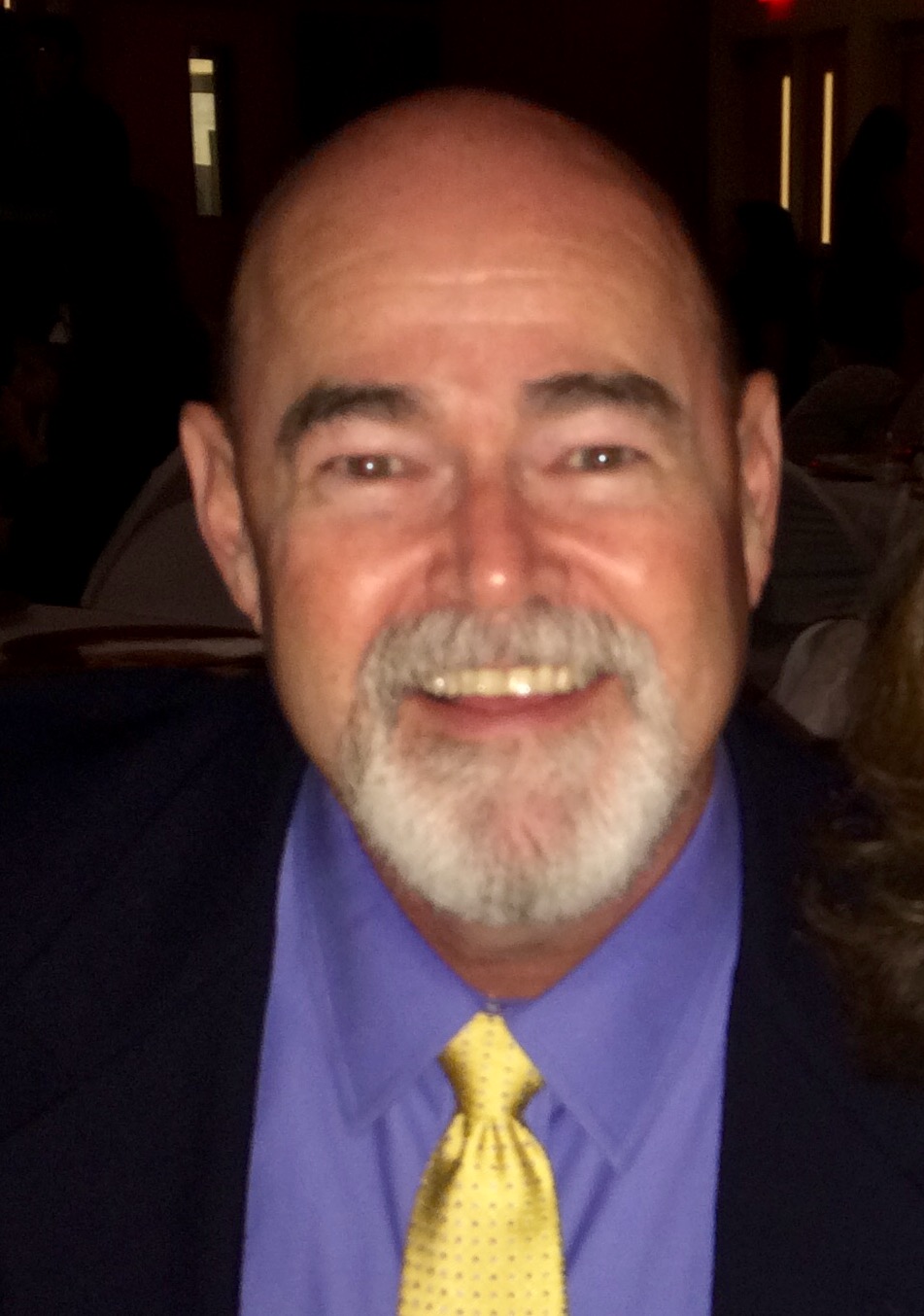
Randy Carl Sexton, DO, MA, FACOFP
Dr. Randy Carl Sexton has no conflict of interest or financial disclosure relevant to the topic of the submitted manuscript.
This paper was submitted as part of Dr. Sexton's application for ACOFP Fellowship. ACOFP Fellowship recognizes exceptional national, state, and local service through teaching, authorship, research, or professional leadership. Visit the ACOFP Fellows page to learn more about fellowship and apply.
Abstract
Acronyms are used as memory aids when writing admission orders to remind a physician to include important items such as diet and medications. However, commonly used acronyms may not include all the items desired, not flow in a logical sequence, and be difficult to remember. Thirty years ago, I created an acronym to correct those three errors. I have shared that acronym with hundreds of students and physicians. Recently I felt a need to create an even better acronym with a strong osteopathic foundation especially for use by osteopathic physicians. Osteopathic physicians are trained to think in a holistic manner considering the Four Tenets of Osteopathic Medicine, the value of osteopathic manipulative treatment, and the osteopathic principle of treating the whole person as being essential elements of patient care.
The new acronym is ABC DAVID ONAM DO. Each letter stands for a required order set such as diet or activity. I also incorporate “reminders” to consider additional orders under that order set. This new acronym includes important items, flows in a logical sequence, and is easy to remember. The reminders emphasis is on treating the whole person, body, mind, and spirit which reminds physicians to provide osteopathic medical care in a holistic compassionate environment. Physicians may freely modify and adapt the new acronym to meet their individual needs.
Introduction
Admission orders need to provide clear concise guidance to hospital staff. The goal is to aid the patient to full recovery and prepare them for discharge. Acronyms are used as memory aids to remind a physician to include items such as consultations and medications. However, acronyms may not include all the items desired, not flow in a logical sequence, and be difficult to remember such as A.A.D.C. VAANDISSL.i I developed an acronym to correct those errors. It has worked well, and I have shared it with many students and physicians. Recently I felt a need to create an even better acronym with a strong osteopathic foundation especially for use by osteopathic physicians.
Method
To have a strong osteopathic foundation the acronym needed to be based on the Four Tenets of Osteopathic Medicine.ii It should emphasize the osteopathic principle of treating the whole person body, mind, and spirit, encourage osteopathic manipulative treatment, encourage a holistic approach to patient care, consider patient lifestyle factors, and provide compassionate care in the hospital. Also, it should remind the physician to consider what the patient and their family will need after discharge to help the patient live in physical, emotional, and spiritual health.
Results
The acronym is ABC DAVID ONAM DO: Admit, Because, Condition, Diet, Activity, Vital signs, IV, Diagnostics, Oxygen, Nursing, Allergies, Medications, and Discharge Orders. Prior to writing admission orders, compile a medical problem list.iii It should include the reason the patient is being admitted and other medical problems to be addressed. Also compile a patient wants and needs list. For example, the patient wants to see the Hospital Chaplain but does not want other visitors. The patient states they need their hearing aids, phone, eyeglasses, and walker. When using the acronym recall its strong osteopathic foundation and the emphasis on the whole person body, mind, and spirit.
Admit states where the patient is to go indicating the service and floor. It includes who is the accepting physician using their full name. Example: Admit patient to Cardiac Care Unit to Dr John Smith. Admit has a reminder Advance Directives. Note on the chart if the patient has a Living Will, a Healthcare Power of Attorney (HCPOA), and a documented DNR status. Is the patient familiar with the Five Wishes advance directive that includes personal, spiritual, medical, and legal wishes in one document? iv
Because states why the patient is admitted for hospital care. What is the medical problem that clearly justifies medical admission to the hospital? For example, “new onset of left sided hemiparesis.” Add medical diagnoses from your medical problem list that is pertinent such as uncontrolled Type 2 Diabetes.
Condition states the medical condition of the patient such as fair, poor, guarded, and critical. Condition has a reminder Consultations. What consultations does the patient need to improve their current condition in body, mind, and spirit? Review your medical problem list and your wants and needs list.
Body consultations address physical conditions such as a nutritional, surgical, or an Osteopathic Manipulative Medicine (OMM) consultation. As osteopathic physicians we are aware that the body is capable of self-regulation, self-healing, and health maintenance. We understand how structure and function are reciprocally interrelated. Our medical care is rational treatment based upon an understanding of the basic principles of body unity, self-regulation, and the interrelationship of structure and function. For example, in an elderly hospital patient with pneumonia, it is rational treatment to order an OMM consultation since it can reduce length of hospital stay, reduce duration of intravenous antibiotics, and decrease incidence of respiratory failure.v
Mind consultations may include counselling or psychiatric consultation to evaluate worsening depression, unresolved grief, suicidal ideation, or psychosis. Is the patient dealing with addiction issues involving alcohol, drugs, or tobacco? Does the patient need protective services to evaluate their home to ensure they have a home safe and free from emotional, physical, sexual, or financial abuse? Are there any concerns for sex trafficking or forced labor?
Spiritual consultations address the patient’s interest or lack of interest in spiritual issues. Does the patient want the hospital chaplain to visit? Ask if they need assistance contacting their spiritual advisor such as a priest or rabbi.
Diet selection is important. What diet does the patient need to improve their condition? The patient will need a specific diet and nutrition consultation for medical diagnoses such as diabetes, heart, and renal disease. Consider ordering a nutrition consultation for diagnosed eating disorders, malnutrition, and obesity.
Activity needs to be specified. What specific level of activity is most appropriate? The patient may need “activity as tolerated” or “bedrest with a bedside commode.” Also consider “fall precautions” for patient safety. Does the patient need a cane or walker?
Vital Signs are necessary to monitor a patient. An attending physician once said to me, “they are called vital signs because they are important!” Worsening vital signs can warn us that a patient needs intervention. The frequency of obtaining vital signs depends on their medical condition.
IV access and intravenous fluids may be necessary for the patient. The patient may need a central line or a second IV access for fluids, blood, or medications. Select the type of fluid and the infusion rate. IV access has a reminder Inputs and Outputs to quantify the total fluid amount going into and out of their body.
Diagnostics are studies used to diagnose and monitor the patient. Diagnostics has the reminder Labs, Rads, and EKGs. Labs are a reminder to order blood studies. Rads are a reminder for Radiology studies including X-rays, Computerized Tomography Scans (CT), and other medical imaging. EKGs are a reminder to order heart studies such as an EKG, Echocardiogram, and order vascular studies.
Oxygen may be necessary. Order the specific oxygen device such as a nasal cannula, the liters of oxygen to be provided, and the desired pulse oximeter range. Be prepared to write detailed orders for an intubated patient. If oxygen is provided be sure to order a respiratory therapy consultation.
Nursing orders are essential. What nursing orders does the patient need to improve their current condition in body, mind, and spirit? Check the medical problem list and the wants and needs list of the patient. Note that some of these orders may be included on the admitting nurse’s checklist. Consider what nursing orders are needed and ensure they are provided.
Body nursing orders include patient personal grooming and bathing requests, wound care instructions, body positioning, and other body care. It includes care of a nasogastric tube, surgical drains, and other medical devices. Consider monitoring glucose levels and observe for alcohol or opioid drug withdrawal. Ensure the patient has access to their eyeglasses, hearing aids, and cane or walker.
Mind nursing orders include mental and emotional support items such as identifying the patient’s preferred gender identification, visitation preferences, phone access for contacting loved ones, and reading material. Does the patient or the family have specific counselling, psychiatric, or comfort requests?
Spirit nursing orders include identifying religious affiliation and requests. Do they want to be visited by the Hospital Chaplain? Are they comfortable with people praying with them? If the patient is terminal, are they willing to talk about Hospice Care? Do they want to be an organ donor, need assistance making funeral arrangements, or need help writing a Will? Do they want to talk to someone regarding a Living Will, HCPOA, or DNR status? Are there any final requests?
Allergies need to be identified prior to ordering medications. Note what allergies they have and what their reaction is to the allergen. Note on the admission orders if the patient has no known medical allergies.
Medications need to be ordered. First, write for the required medications such as intravenous antibiotics, cardiac, seizure, and diabetic medications. Order medications to prevent nicotine, alcohol, or drug withdrawal symptoms. Second, write for as needed medications to treat pain, nausea, anxiety, insomnia, constipation, and other issues. Do ask the patient and family if they wish to avoid narcotic medication.
Discharge Order planning should begin at admission. Consider the patient’s lifestyle factors. The National Cancer Institute defines lifestyle factors as, “personal behaviors or choices that can increase a person’s chance of developing a disease. Lifestyle risk factors can often be avoided, controlled, or changed to reduce the risk of certain diseases.”vi Begin to consider at admission what the patient and family may need after discharge to help the patient be physically, emotionally, and spiritually healthy? For the body, any alcohol, drug, or tobacco abuse? Is their home safe, warm, and free from physical, sexual, and financial abuse? Will they have access to and be able to afford healthy food, medication, transportation, and medical care? For the mind, begin planning follow up care for counseling and psychiatric care. Will they have opportunity for social interaction with family and friends? For the spirit consider if they need their pastor, priest, or others to be notified of their pending discharge.
Conclusion
The acronym ABC DAVID ONAM DO with its strong osteopathic foundation and emphasis on the whole person body, mind, and spirit can help an osteopathic physician write admission orders that provide a compassionate care plan from admission to discharge.